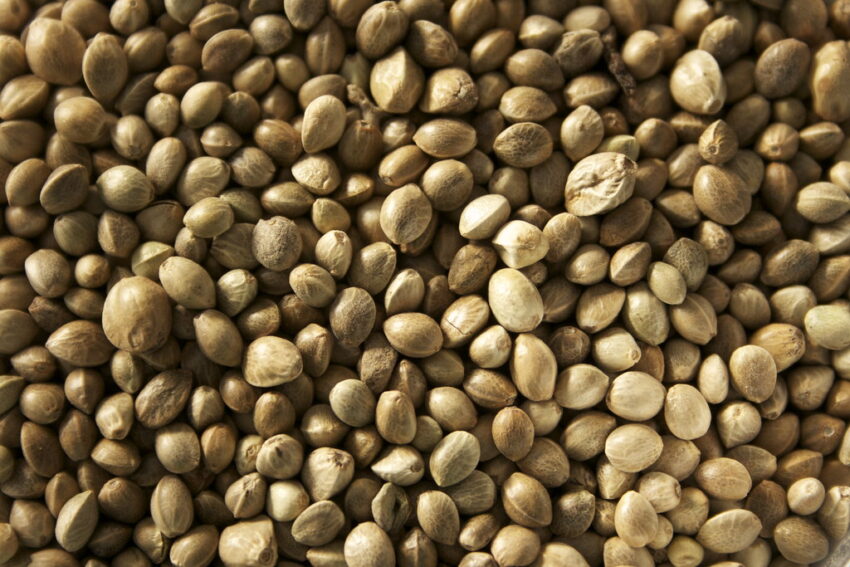
Cannabis sativa L. seeds, commonly referred to as hempseeds, have become increasingly popular over time. Unfortunately, they remain stigmatized due to their association with drug production which discourages investment and research on nutritional value and functional properties that would benefit human and animal health alike.
C. sativa L. species have an incredible level of natural genetic variability that allows for centuries of intentional cultivation to enhance yield and/or quality production products. Because of this high intrinsic variability comes an unwitting artificial selection process of certain features useful for increasing yield or quality. Unwittingly, this led to the unintended creation of C. sativa L. varieties with distinct genotypes and phenotypes from one another, leading taxonomists to misidentify several separate species within Cannabis as distinct entities.
However, according to Darwinian definition of biological species – that organisms that can reproduce successfully can produce fertile offspring – C. sativa L. is only one species and all its varieties or cultivars (cv), even those which differ genetically and phenotypically, belong to it.
They contain numerous polyphenolic compounds
Hempseeds contain numerous polyphenolic compounds with antioxidant activity. Of particular note are lignans and phenolic amides; the latter being composed of ammine moiety derived from degradation of tyrosine (phenylpropionamides) combined with phenolic moiety from shikimic acid biosynthesis (cinnamic acids such as coumaric, caffeic and ferulic acids). Of the cannabisin F group of lignan amides, cannabisin F has shown anti-neuroinflammatory properties when inhibiting downregulation of sirtuin-1 involved with activation of NF-B transcription factors upon stimulation by LPS stimulation.